Rockabilly: A Bold Font for 50s-Inspired Design
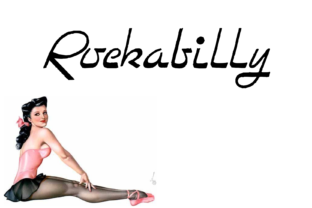
The Rockabilly font is more than just a visual choice—it’s a statement. With its roots in the 1950s rock and roll era, this striking display font brings a sense of nostalgia and energy to any design project. Whether you're working on a vintage-themed website, a music album cover, or a branding campaign, Rockabilly adds a unique flair that captures attention and conveys personality.
One of the most compelling aspects of Rockabilly is its ability to evoke a specific time period while still feeling modern and relevant. The font features bold lettering, exaggerated curves, and a dynamic feel that mirrors the rebellious spirit of early rock and roll. This makes it ideal for projects that aim to connect with audiences who appreciate retro aesthetics or want to create a sense of authenticity.
Key Characteristics of the Rockabilly Font
Rockabilly stands out due to its distinctive design elements. The font often includes serifs that are thick and dramatic, giving it a strong presence on the page. Letters like 'R' and 'A' are typically larger and more stylized, adding to the overall impact. These characteristics make Rockabilly particularly effective when used as a headline or title, where it can command attention and set the tone for the rest of the content.
Another notable feature is the font's versatility. While it has a clear retro influence, Rockabilly can be adapted to fit different contexts. For example, it works well in both digital and print formats, making it a valuable tool for designers across multiple platforms. Its boldness also allows it to stand out against complex backgrounds or busy layouts, ensuring readability without sacrificing style.
When considering typography, the choice of font plays a crucial role in conveying the right message. Rockabilly is especially useful for projects that require a sense of fun, excitement, or rebellion. It’s not just about looking good—it’s about creating an emotional connection with the audience. By using Rockabilly, designers can tap into the cultural significance of the 1950s and bring that energy into contemporary designs.
Practical Applications of Rockabilly in Modern Design
Rockabilly is widely used in various industries, from entertainment to fashion. Music producers often use this font for album covers, concert posters, and promotional materials to give them a retro edge. Similarly, fashion brands that focus on vintage or punk styles may incorporate Rockabilly into their logos or packaging to reinforce their brand identity.
In the digital space, Rockabilly is a popular choice for websites that aim to create a nostalgic or edgy vibe. It can be used for headings, banners, or call-to-action buttons to draw users in and encourage engagement. However, it's important to balance its boldness with other design elements to avoid overwhelming the viewer. Pairing Rockabilly with simpler fonts or neutral colors can help maintain a clean and professional look while still retaining the font’s unique character.
For graphic designers, Rockabilly offers a way to differentiate their work from more standard typefaces. It can be used in everything from social media graphics to magazine layouts, providing a fresh and eye-catching alternative to traditional fonts. The key is to use it strategically—reserving it for moments where it can have the most impact without detracting from the overall design.
Considerations When Using Rockabilly
While Rockabilly is visually striking, it’s not always the best choice for every project. One of the main considerations is readability. Due to its stylized nature, the font may not be suitable for long blocks of text. It works best as a display font rather than a body font, meaning it should be used sparingly and in appropriate contexts.
Another factor to keep in mind is the target audience. If the goal is to appeal to a broad demographic, Rockabilly might not be the most effective choice. However, if the audience is specifically interested in retro culture, rock and roll, or vintage aesthetics, then Rockabilly can be a powerful tool for connecting with them. Understanding the preferences and expectations of the intended audience is essential when selecting a font like Rockabilly.
Designers should also consider the technical aspects of using Rockabilly. Some versions of the font may require specific software or licensing agreements, so it's important to check the terms of use before incorporating it into a project. Additionally, ensuring that the font is compatible with different devices and browsers can help maintain consistency across platforms.
Why Rockabilly Stands Out in a Crowded Market
In a world where many fonts blend together, Rockabilly offers something different. Its unique combination of historical inspiration and modern application makes it a standout choice for designers looking to make an impression. Unlike more generic typefaces, Rockabilly carries a distinct personality that can enhance the storytelling aspect of a design.
Moreover, the font’s association with the 1950s rock and roll era gives it a cultural relevance that can resonate with audiences on a deeper level. This connection can be leveraged in marketing campaigns, branding efforts, or creative projects that aim to evoke a sense of history and authenticity. By choosing Rockabilly, designers can tap into a rich visual language that speaks to both past and present.
Ultimately, Rockabilly is more than just a font—it’s a design element that can elevate a project and add a layer of meaning. Whether used in a small logo or a large-scale advertisement, its bold style and nostalgic appeal make it a valuable asset for any designer looking to create something memorable.