Smoothy: A Sleek Font for Modern Design
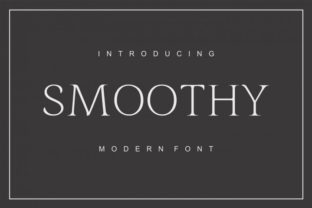
When it comes to typography, the right font can make all the difference. Smoothy is a display font that stands out with its clean, straight lines and soft, rounded corners. It’s designed to feel both modern and refined, making it a go-to choice for a variety of design projects. Whether you're working on a logo, a website, or a printed piece, Smoothy offers a look that's both elegant and approachable.
What sets Smoothy apart is its balance between simplicity and sophistication. The font maintains a strong, legible structure while adding a touch of warmth through its rounded edges. This combination makes it ideal for designs that need to feel professional yet inviting. Its versatility allows it to work well in both digital and print formats, giving designers a flexible tool for different creative needs.
Key Features of Smoothy
Smoothy is built with a focus on clarity and visual harmony. Each character is carefully crafted to ensure consistency and readability, even at smaller sizes. The font’s uniform stroke width and gentle curves contribute to its smooth, flowing appearance, which can enhance the overall aesthetic of any project.
One of the most notable aspects of Smoothy is its ability to blend seamlessly with other typefaces. It pairs well with both sans-serif and serif fonts, making it a great option for headings, subheadings, or body text in multi-font layouts. This adaptability makes it a valuable addition to any designer’s toolkit.
The font also includes a wide range of characters, including uppercase and lowercase letters, numbers, punctuation, and special symbols. This ensures that it can be used in a variety of contexts, from simple logos to complex branding materials. Its comprehensive character set supports multiple languages, expanding its usefulness for international projects.
Practical Applications of Smoothy
Smoothy is particularly well-suited for projects that require a clean, modern look. It works well for headlines in magazines, book covers, and promotional materials. Its rounded edges give it a friendly and approachable feel, making it a good choice for brands that want to convey a sense of trust and reliability.
In the digital space, Smoothy can be used for website headers, app interfaces, and social media graphics. Its legibility at various sizes makes it suitable for both large banners and small icons. When used in web design, it can help create a cohesive visual identity that feels polished and professional.
For educators and content creators, Smoothy can be an effective tool for presentations, e-books, and educational materials. Its clear letterforms make it easy to read, even when used in long-form text. It can also add a touch of style to infographics, charts, and other visual content, helping to draw attention and improve engagement.
Why Choose Smoothy for Your Projects?
There are several reasons why Smoothy might be the right font for your next design. First, its clean and modern appearance makes it highly versatile. It can be used in a wide range of industries, from tech startups to luxury brands, without feeling out of place.
Another benefit of Smoothy is its ease of use. It’s compatible with most design software, including Adobe Creative Suite, Figma, and Canva. This means that designers can quickly integrate it into their workflow without needing specialized tools or extensive training.
Smoothy also offers a high level of customization. Many font foundries provide different weights and styles, allowing users to fine-tune the look and feel of their designs. This flexibility can be especially useful when creating a brand identity that requires multiple typographic elements.
Real-World Use Cases
Consider a marketing campaign for a new line of organic skincare products. Using Smoothy as the primary font could help convey a sense of purity and elegance. Its rounded edges would add a soft, welcoming quality that aligns with the brand’s values.
For a tech startup looking to establish a modern and innovative image, Smoothy could be used in website headers, app icons, and promotional banners. Its clean lines and balanced proportions would reinforce the company’s commitment to simplicity and user-friendly design.
In educational settings, Smoothy could be used in e-learning platforms, course materials, and student handouts. Its readability and visual appeal would help keep learners engaged while maintaining a professional tone.
Things to Consider When Using Smoothy
While Smoothy is a powerful font, it’s important to use it thoughtfully. Overusing it in large blocks of text can reduce readability, so it’s best reserved for headings, titles, and short phrases. Pairing it with a more traditional font for body text can create a balanced and visually appealing layout.
Designers should also consider the context in which Smoothy will be used. For example, if the font is being used in a high-contrast environment, such as a dark background, it may need to be adjusted for optimal visibility. Testing the font in different scenarios can help ensure it performs well across all applications.
Finally, it’s always a good idea to check licensing terms before using Smoothy in commercial projects. Some fonts have restrictions on usage, and understanding these rules can help avoid potential issues down the line.