Ana: A Gothic-Inspired Font with Modern Readability
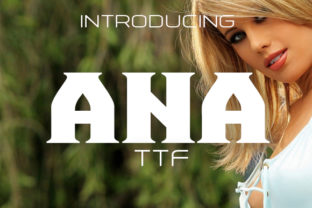
Ana is a modern font that blends the dramatic elements of Gothic typography with contemporary design principles. Its unique structure offers a striking visual presence while maintaining clarity, making it suitable for a wide range of applications. Whether used in print or digital formats, Ana adds a bold and distinctive character to any project.
What Makes Ana Unique?
Ana stands out due to its balance between aesthetic appeal and functionality. Unlike many Gothic fonts that prioritize ornate details over readability, Ana ensures that each letter remains legible even at smaller sizes. This makes it ideal for projects where both visual impact and clear communication are essential.
The font’s design incorporates sharp angles and intricate serifs, which give it a sense of elegance and strength. These features make it particularly effective in contexts such as branding, editorial design, and promotional materials. Its versatility allows it to work well in both large-scale displays and more compact layouts.
Comparing Ana to Other Gothic Fonts
When considering Gothic-style fonts, Ana offers a different approach compared to more traditional options like Garamond or Baskerville. While these fonts have historical roots and a classic appearance, they often lack the boldness and modern edge that Ana provides. For designers seeking a font that combines historical inspiration with contemporary relevance, Ana may be a better fit.
Other modern Gothic fonts, such as Bebas Neue or Montserrat, focus on simplicity and clean lines. These can be excellent choices for minimalist designs, but they may not offer the same level of visual drama as Ana. The choice between these fonts depends on the specific needs of the project and the desired aesthetic outcome.
Strengths of Ana
- Visual Impact: Ana’s design commands attention, making it ideal for headlines, logos, and other prominent text elements.
- Readability: Despite its Gothic influences, Ana maintains a high level of legibility, especially in larger sizes.
- Versatility: It works well across various mediums, from print to digital platforms.
Tradeoffs and Limitations
- Size Constraints: At very small sizes, some details of Ana may become less distinct, which could affect readability.
- Context Sensitivity: Its bold style may not be appropriate for all design scenarios, particularly those requiring a more subdued tone.
- Font Pairing: Ana may require careful pairing with other fonts to ensure harmony in the overall design.
When Ana Is the Right Choice
Ana is an excellent option when the goal is to create a strong visual identity. For instance, in the design of a music festival poster, Ana can convey energy and excitement while remaining easy to read. Similarly, in a t-shirt design, it can add a sense of edginess and personality without sacrificing clarity.
It is also well-suited for branding initiatives that aim to communicate a sense of power and sophistication. Businesses looking to establish a memorable visual presence may find Ana to be a valuable tool in their design arsenal.
When Alternative Options May Be Better
In situations where minimalism and clarity are priorities, alternative fonts might be more appropriate. For example, a website aiming for a clean and professional look may benefit from a sans-serif font like Helvetica or Arial. These fonts provide a neutral and unobtrusive appearance that can enhance user experience.
Additionally, for projects that require a more traditional or historical feel, fonts with established heritage may be more suitable. In such cases, Ana’s modern twist might not align with the intended theme or message.
Practical Applications of Ana
Ana can be effectively used in a variety of real-world scenarios. For instance, in the creation of a book cover, it can add a sense of intrigue and depth. When paired with a complementary color scheme, it can enhance the overall visual storytelling of the design.
In the context of a banner ad, Ana’s boldness can help capture attention quickly, which is crucial in a fast-paced digital environment. However, it is important to consider the surrounding elements to ensure that the font does not overwhelm the message.
Conclusion: Making an Informed Decision
Choosing the right font involves evaluating the specific needs of the project and the desired outcome. Ana offers a compelling combination of visual appeal and readability, making it a strong candidate for many design applications. However, it is essential to consider the context and audience when making this decision.
By understanding the strengths and limitations of Ana, designers can make informed choices that align with their creative goals. Whether opting for Ana or another font, the key is to select a typeface that enhances the overall message and resonates with the target audience.