Eagle Thunder: A Bold, Textured Brush Font for Impactful Design
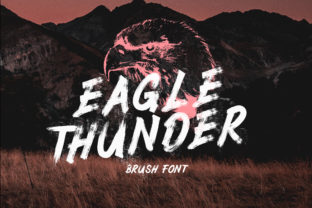
If you're looking for a typeface that commands attention and adds visual intrigue to your projects, Eagle Thunder might be just what you need. This unique textured brush font stands out with its irregular baseline and dynamic strokes, making it ideal for designs that require a striking, handcrafted feel. Whether you're working on a logo, a poster, or a digital campaign, Eagle Thunder can bring a sense of energy and authenticity to your work.
Unlike traditional fonts that follow a consistent line, Eagle Thunder's uneven baseline gives it a raw, organic quality. This feature makes it perfect for creative projects where a more spontaneous or artistic look is desired. The texture of the strokes adds depth, making it stand out in both print and digital formats.
When to Use Eagle Thunder
There are countless situations where Eagle Thunder can make a difference. For instance, if you're designing a promotional flyer for a music event, this font can help convey the excitement and energy of the occasion. Its bold, uneven lines mirror the rhythm of live performances, creating a visual connection with the audience.
Another common use case is in branding. Small businesses or independent creators often look for fonts that reflect their personality and values. Eagle Thunder can be a great choice for a boutique, a local café, or a handmade product line. It conveys a sense of craftsmanship and individuality, which can resonate with customers who appreciate authenticity.
Real-World Applications Across Industries
Entrepreneurs and marketers can benefit from Eagle Thunder when creating eye-catching social media posts or advertisements. In a crowded digital space, a unique font can help a brand stand out. Imagine using Eagle Thunder for a headline on a LinkedIn post promoting a new service—its distinctive style could catch the eye of professionals scrolling through their feeds.
For educators and content creators, Eagle Thunder can add a creative touch to presentations or educational materials. If you're designing a PowerPoint slide for a history class, using this font for key headings can make the information more engaging. It’s not just about looks; it can also help draw attention to important points and keep the audience interested.
Freelancers and designers often seek fonts that offer versatility. Eagle Thunder works well in a variety of contexts, from web banners to packaging designs. Its textured appearance can add a layer of interest to a simple layout, making it more memorable. For example, a designer working on a book cover might use Eagle Thunder to create a title that feels more personal and expressive.
Who Benefits From Using Eagle Thunder?
Small business owners who want to differentiate their brand can find value in Eagle Thunder. If you run a coffee shop or a clothing store, using this font in your signage or marketing materials can give your business a unique identity. It’s especially useful if you’re targeting a younger, more design-conscious audience.
Bloggers and content creators may also find Eagle Thunder helpful. Adding a custom font to a blog header or a featured image can make the site feel more professional and visually appealing. It can be a subtle way to express your brand’s personality without overwhelming the reader.
Artists and hobbyists who enjoy experimenting with typography will appreciate the creative freedom Eagle Thunder offers. It allows for more expressive layouts, making it a good fit for personal projects like greeting cards, posters, or even digital art. The irregular baseline can add a sense of movement and dynamism to any composition.
Considerations Before Using Eagle Thunder
Before incorporating Eagle Thunder into your designs, it’s important to consider how it will look in different contexts. While its texture and irregular baseline are strengths, they can also make the font harder to read in certain situations. For example, using it for long paragraphs of text might not be the best idea, as it could reduce readability.
It’s also worth testing the font in various sizes and formats. What looks great on a large banner might not work as well on a small social media profile picture. Experimenting with different applications can help you determine the best ways to use it effectively.
Additionally, users should ensure that they have the proper license for commercial use. If you plan to use Eagle Thunder in a project that will be sold or distributed, check the font’s licensing terms to avoid any legal issues. Many fonts come with specific guidelines, so it’s always a good idea to review them carefully.
How to Get Started With Eagle Thunder
If you're ready to try Eagle Thunder, start by downloading it from a trusted source. Make sure the file is compatible with your design software, whether you're using Adobe Photoshop, Illustrator, or a web-based tool. Once installed, experiment with different layouts and combinations to see how it fits into your workflow.
Don’t be afraid to mix it with other fonts. Pairing Eagle Thunder with a simpler, more readable font can create a balanced and visually appealing design. For example, using it for a headline and a standard sans-serif for body text can highlight the main message while keeping the rest of the content easy to read.
Finally, remember that the goal of any design is to communicate effectively. Eagle Thunder can be a powerful tool, but it’s most effective when used thoughtfully. Consider the message you want to convey and how the font can support that message in a meaningful way.