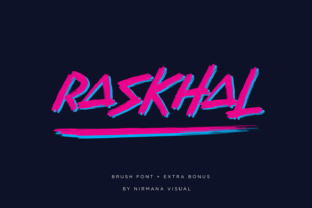
Raskhal: A Bold Typographic Statement for the Modern Designer
In a world where visual identity plays a critical role in brand recognition and user engagement, typography has emerged as a powerful tool for communication. Among the many fonts available, Raskhal stands out as a striking display font that captures the essence of 1980s aesthetics with a modern twist. Designed to evoke the energy of neon lights and retro design, Raskhal offers a unique blend of nostalgia and innovation that resonates with today's creative professionals.
Whether you're working on a branding project, a digital campaign, or a personal creative endeavor, Raskhal can elevate your typographic choices. Its bold strokes and dynamic structure make it ideal for headlines, logos, and other eye-catching elements. But what makes Raskhal more than just a stylish font? Let's explore its relevance in the current design landscape and how it can enhance your work.
The Evolution of Typography and the Rise of Nostalgic Styles
Typography has evolved significantly over the decades, reflecting shifts in technology, culture, and artistic expression. In the 1980s, the rise of neon lights, synth music, and bold graphics created a distinct visual language that continues to influence design today. This era introduced a sense of experimentation and vibrancy that modern designers are now revisiting with renewed interest.
The resurgence of 80s-inspired aesthetics is not just a fleeting trend; it's a reflection of changing consumer preferences and a desire for authenticity. As users become more discerning, they seek designs that feel genuine and emotionally resonant. Raskhal taps into this sentiment by offering a font that feels both familiar and fresh, bridging the gap between past and present.
This shift also aligns with broader lifestyle changes. With the rise of digital platforms and social media, visual content has become more important than ever. Designers are looking for tools that help them stand out in a crowded space, and Raskhal provides a strong, distinctive option that can capture attention and convey a clear message.
Why Raskhal Matters in Modern Design Workflows
For professionals in fields such as marketing, graphic design, and web development, the choice of typography can have a significant impact on the success of a project. Raskhal’s unique character set and expressive style make it a versatile tool for a wide range of applications. From website headers to print materials, it adds a touch of flair that can differentiate a design from the competition.
One of the key advantages of Raskhal is its ability to create a strong visual hierarchy. In an age where users scan content quickly, the right font can guide their attention and improve readability. Raskhal’s boldness ensures that it commands attention without sacrificing legibility, making it suitable for both large-scale displays and smaller text elements.
Moreover, Raskhal’s design is optimized for digital use, ensuring that it looks sharp on screens of all sizes. This is particularly important in today’s multi-device world, where consistency across platforms is essential. Whether used in a mobile app, a website, or a social media post, Raskhal maintains its visual integrity and impact.
Practical Applications and Real-World Examples
Consider a scenario where a startup is launching a new product. The branding team needs a font that reflects the company’s identity while standing out in a competitive market. By incorporating Raskhal into their logo and marketing materials, they can create a cohesive and memorable visual identity that resonates with their target audience.
Another example is a digital marketer creating a campaign for a tech event. Using Raskhal for headlines and call-to-action buttons can add a sense of urgency and excitement, encouraging users to engage with the content. The font’s energetic look complements the high-energy nature of the event, reinforcing the brand’s message.
Even in educational settings, Raskhal can be useful. Teachers or educators designing presentations or course materials may find that using Raskhal for titles and headings helps maintain student interest and improves information retention. The font’s visual appeal can make complex topics more engaging and accessible.
How Raskhal Fits Into Current Creative Practices
As creative practices continue to evolve, so do the tools and resources available to designers. The increasing availability of high-quality fonts like Raskhal allows professionals to experiment with different styles and express their unique vision. This accessibility fosters a more inclusive design community where creativity can thrive.
Additionally, the growing emphasis on personalization in design means that users are seeking fonts that reflect their individuality. Raskhal offers a distinctive alternative to more traditional typefaces, allowing creators to craft designs that feel authentic and original. This is especially valuable in industries where differentiation is key, such as fashion, entertainment, and technology.
Furthermore, Raskhal’s compatibility with various design software ensures that it can be seamlessly integrated into existing workflows. Whether using Adobe Illustrator, Figma, or other design tools, the font remains consistent and easy to apply, saving time and effort for busy professionals.
Recommendations for Using Raskhal Effectively
To get the most out of Raskhal, consider the following tips:
- Use it for emphasis: Raskhal works best when used sparingly to highlight key messages or visual elements. Overusing it can dilute its impact and make the design feel cluttered.
- Pair it with complementary fonts: While Raskhal is a strong display font, it pairs well with simpler, more neutral typefaces for body text. This creates a balanced composition that enhances readability without sacrificing style.
- Experiment with color and spacing: The neon-inspired aesthetic of Raskhal lends itself well to vibrant color schemes and bold spacing. Play with these elements to create a design that feels dynamic and visually engaging.
- Test it across platforms: Ensure that Raskhal looks good on different devices and screen sizes. This helps maintain consistency and reinforces the professionalism of your work.
By following these guidelines, you can effectively incorporate Raskhal into your projects and leverage its unique qualities to create compelling visual experiences.
Looking Ahead: The Future of Typographic Trends
As we move forward, the demand for expressive and meaningful typography is likely to grow. Designers will continue to seek fonts that not only look good but also tell a story and connect with audiences on an emotional level. Raskhal, with its roots in 80s culture and its modern relevance, is well-positioned to meet this demand.
While trends may change, the core principles of good design—clarity, balance, and creativity—remain constant. Raskhal embodies these principles, offering a font that is both functional and aesthetically pleasing. As more professionals recognize the value of thoughtful typography, fonts like Raskhal will play an increasingly important role in shaping the visual language of the future.