PlayDate: A Fun Display Font for Kids Projects
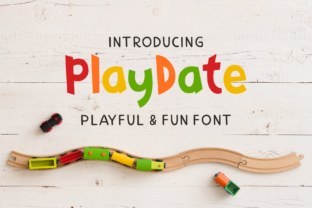
PlayDate is a fun display font that brings a sense of playfulness and energy to any design. Its unique style makes it ideal for projects aimed at children, offering a visual appeal that captures attention and sparks imagination. Whether you're working on a school project, a kids' book, or a creative marketing campaign, PlayDate can add a touch of whimsy that stands out.
Designed with a casual and lively feel, PlayDate is more than just a font—it's a tool that helps convey a friendly and engaging message. Its rounded edges and slightly uneven letterforms give it a handcrafted look, making it perfect for anything from birthday invitations to educational materials. The font's character is both modern and nostalgic, blending simplicity with charm in a way that feels approachable and inviting.
What Makes PlayDate Unique?
Unlike many other fonts that aim for professionalism or minimalism, PlayDate embraces a more relaxed and expressive style. It’s not meant for long paragraphs of text but shines when used as a headline, title, or focal point in a design. This makes it especially useful for branding, logos, and visual elements where personality matters more than readability.
The font’s playful nature comes through in its subtle imperfections—each letter has a slight variation that gives it a handmade feel. This characteristic can be both a benefit and a consideration. While it adds warmth and character, it may not be the best choice for formal or high-contrast designs where precision is key.
Why Use PlayDate for Kids’ Projects?
When working with children, the visual language of a project plays a big role in engagement. PlayDate’s lively style can help create a connection with young audiences, making content more relatable and enjoyable. For educators, this means it can be used in classroom materials, activity sheets, or digital presentations to make learning more interactive.
For parents and caregivers, PlayDate can bring a personal touch to homemade crafts, party decorations, or storybooks. Its cheerful appearance can turn simple projects into memorable experiences. For example, using PlayDate on a child’s name tag, a birthday banner, or a custom illustration can add a sense of fun and individuality that standard fonts might lack.
Practical Uses for PlayDate
PlayDate isn’t limited to just kids’ projects. Its versatility allows it to be used in a variety of creative contexts. Here are some examples:
- Children’s Books: PlayDate can be used for chapter titles, character names, or illustrations to add a whimsical tone to stories.
- Marketing Campaigns: Brands targeting families or children’s products can use PlayDate in ads, social media posts, or packaging to create a friendly and approachable image.
- Classroom Materials: Teachers can use it for bulletin boards, worksheets, or classroom signs to make learning environments more visually appealing.
- Personal Projects: DIY enthusiasts can incorporate PlayDate into handmade cards, scrapbooks, or custom gifts for a personalized touch.
Each of these applications highlights how PlayDate can enhance visual storytelling and communication, especially when the goal is to connect with younger audiences or evoke a sense of joy.
Considerations Before Using PlayDate
Before diving into a project with PlayDate, there are a few things to keep in mind. First, while it’s great for short phrases and headlines, it may not be suitable for large blocks of text. The font’s style is best reserved for areas where it can stand out rather than be read extensively.
Another consideration is compatibility. Make sure the font works well with the other elements in your design. Sometimes, pairing PlayDate with a more neutral typeface can create a balanced look without losing its playful essence. Also, test it across different platforms and devices to ensure it displays consistently.
Finally, think about the message you want to convey. PlayDate is all about fun and creativity, so it’s best suited for projects that align with those themes. If your goal is to communicate something serious or professional, a different font may be more appropriate.
Getting Started with PlayDate
If you’re new to using display fonts like PlayDate, start by experimenting with small projects. Try applying it to a simple poster, a social media graphic, or a digital invitation. This will help you understand how it interacts with other design elements and what kind of impact it can have.
Many design tools, such as Adobe Creative Suite, Canva, or Figma, support custom fonts. You can download PlayDate from a font marketplace or website and install it on your computer or use it online through a font service. Once installed, you can access it just like any other font in your design software.
As you become more comfortable, you can explore advanced techniques, such as combining PlayDate with other fonts, adjusting spacing, or using it in conjunction with images and colors. The key is to let the font’s personality guide your creative choices while keeping the overall design cohesive and effective.
Conclusion
PlayDate is more than just a font—it’s a creative tool that brings a sense of fun and expression to any project. Its playful style makes it an excellent choice for kids’ projects, but its versatility extends to a wide range of creative and professional uses. By understanding its strengths and limitations, you can make the most of PlayDate in your work, whether you're a designer, educator, parent, or hobbyist.