Morgenta: A Sweet and Simple Font That Adds Personality to Your Designs
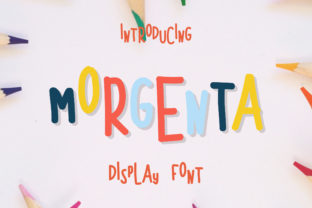
If you're looking for a font that brings a touch of warmth and charm to your projects, Morgenta might be the perfect choice. This hand-drawn typeface is known for its bold, curvy characters that add a unique flair to any design. Whether you're working on a logo, branding material, or a web project, Morgenta offers a versatile and expressive style that can elevate your work.
But while Morgenta may seem like an easy pick, there are some important considerations to keep in mind before using it. Understanding these nuances can help you make the most of this font and avoid common pitfalls that could affect your results.
What Is Morgenta and Why It Matters
Morgenta is a hand-drawn font that combines simplicity with personality. Its soft curves and playful strokes make it ideal for projects that require a friendly or artistic tone. The font's versatility allows it to work well in both digital and print formats, making it a popular option for designers, entrepreneurs, and creatives across various industries.
One of the key reasons people choose Morgenta is its ability to convey a sense of approachability. Unlike more rigid or formal fonts, Morgenta feels inviting and expressive, which makes it great for branding, marketing materials, and personal projects. However, its casual nature also means it may not be suitable for all contexts, such as high-end corporate designs or formal documents.
Common Mistakes When Using Morgenta
While Morgenta is a beautiful font, some users may overlook important details that can impact how it performs in different settings. One common mistake is assuming that Morgenta will look the same across all platforms. In reality, font rendering can vary depending on the device, browser, or software being used. This can lead to inconsistencies in appearance, especially if the font isn't properly embedded or converted into a web font.
Another mistake is not considering the readability of Morgenta in different sizes. While its curvy design is visually appealing, it may become harder to read when used in small text. For example, using Morgenta for body copy in a website or brochure could result in poor legibility, which could negatively affect user experience and communication goals.
How These Mistakes Can Affect Your Work
Using Morgenta without proper attention to detail can lead to issues that compromise the quality and effectiveness of your design. If the font isn't embedded correctly, it may not display as intended on different devices, leading to a disjointed or unprofessional appearance. This is especially important for web projects where consistent rendering is crucial for user engagement.
Additionally, using Morgenta inappropriately—such as in large blocks of text or in formal settings—can reduce its impact and even confuse your audience. The font’s playful nature may not align with the tone of your message, leading to a mismatch between your design and your brand’s identity.
Practical Advice for Using Morgenta Effectively
To get the best results with Morgenta, start by understanding its strengths and limitations. Test the font in different sizes and formats to see how it performs in your specific use case. For example, if you're using it for a logo, try it at various scales to ensure it remains clear and recognizable.
When using Morgenta on the web, consider converting it into a web font format such as WOFF or WOFF2. This ensures that the font displays consistently across different browsers and devices. Many font foundries offer web font licenses that allow for unlimited use, so be sure to check the licensing terms before integrating Morgenta into your site.
Realistic Examples and Better Approaches
Instead of using Morgenta for long paragraphs, consider pairing it with a more readable font for body text. For instance, you could use Morgenta for headings or titles while using a sans-serif font like Arial or Helvetica for the main content. This combination maintains visual interest while ensuring clarity and readability.
Another approach is to use Morgenta in conjunction with other design elements that complement its style. For example, adding subtle illustrations or hand-drawn graphics can enhance the overall aesthetic and create a cohesive look. This helps maintain the font’s personality without overwhelming the design.
What to Check Before Using Morgenta
Before finalizing your decision to use Morgenta, take the time to review the licensing agreement. Some fonts have restrictions on commercial use, redistribution, or modification, so it's important to understand what you're allowed to do with the font. Always verify that the license covers your intended use, whether it's for a personal project, a business, or a client’s work.
Additionally, test the font in your specific design environment. If you're using it in a graphic design program like Adobe Illustrator or Photoshop, check how it renders in different file formats. If you're embedding it in a website, make sure the web font is properly configured and optimized for performance.
Conclusion: Make Informed Choices with Morgenta
Morgenta is a versatile and expressive font that can add character and creativity to your projects. However, its success depends on how it's used and applied. By avoiding common mistakes, testing the font thoroughly, and understanding its limitations, you can ensure that Morgenta enhances your design rather than detracts from it.
Whether you're a designer, marketer, or entrepreneur, taking the time to evaluate Morgenta carefully can lead to better results and greater satisfaction with your work. With the right approach, Morgenta can become a valuable tool in your creative arsenal.