Monogram: A Versatile and Elegant Display Font for Designers
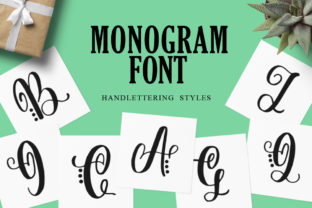
Monogram is a distinctive display font that offers a refined aesthetic, making it a popular choice among designers looking for a sophisticated touch in their projects. With its two available styles—regular and one featuring elegant dots—Monogram provides flexibility while maintaining a high level of visual appeal. This font is particularly well-suited for applications where a sense of class and uniqueness is essential.
What Makes Monogram Distinct?
Monogram stands out due to its combination of simplicity and elegance. The regular style features clean lines and a balanced structure, allowing it to blend seamlessly into various design contexts. The version with elegant dots adds an extra layer of sophistication, ideal for logos, headings, or any project requiring a more ornate appearance. These stylistic choices make Monogram adaptable across different industries and design needs.
One of the key characteristics of Monogram is its readability. Despite its decorative elements, the font maintains clarity even at smaller sizes, which is crucial for effective communication. This balance between aesthetics and functionality is what makes Monogram a go-to option for many professionals.
Monogram Compared to Similar Fonts
When considering alternatives to Monogram, designers often look at other display fonts that offer similar levels of elegance. Fonts like Playfair Display, Cinzel, and Great Vibes share some of the same qualities, but each has its own unique traits. For example, Playfair Display is known for its strong contrast and traditional feel, while Great Vibes leans more toward a cursive style with fluidity.
Monogram, however, occupies a middle ground. It avoids the overly ornate nature of some cursive fonts while still offering a level of refinement that sets it apart from more utilitarian sans-serif typefaces. This makes it a versatile choice for projects that require both style and legibility.
Strengths and Best-Fit Situations
Monogram excels in scenarios where a polished and professional look is required. It is commonly used in branding, editorial design, and web typography for headings and titles. Its ability to convey a sense of luxury without being too flashy makes it suitable for a wide range of industries, including fashion, hospitality, and finance.
The font’s versatility extends to both digital and print media. Whether used in a website header, a magazine layout, or a business card, Monogram can enhance the overall visual identity of a project. Its two styles also allow for creative variation, enabling designers to choose the most appropriate version based on the context.
Tradeoffs and Limitations
While Monogram is highly regarded for its elegance, it may not be the best choice in every situation. For instance, in environments where minimalism is the preferred design language, Monogram’s decorative elements could appear excessive. Similarly, in cases where large blocks of text need to be read, the font might not be the most practical option due to its intricate details.
Another consideration is the availability of the font. Unlike some widely used typefaces, Monogram may not be as readily accessible through default system fonts. Designers often need to download or purchase it from a font library, which can add an extra step to the workflow. However, this is a common tradeoff when working with specialized display fonts.
When Monogram Is the Right Choice
Monogram is an excellent choice when the goal is to add a touch of class and individuality to a design. It works well for projects that aim to evoke a sense of tradition, craftsmanship, or exclusivity. For example, a luxury brand might use Monogram in its logo to reinforce its image of sophistication and quality.
Additionally, Monogram is ideal for projects that require a custom feel. Its unique styling allows for differentiation from more generic fonts, helping a design stand out in a crowded market. This makes it a valuable tool for creatives who want to express their vision with a distinct visual identity.
When to Consider Alternatives
In situations where simplicity and clarity are paramount, alternative fonts may be more appropriate. For instance, if a design requires a modern, clean look, a sans-serif font like Lato or Montserrat could be a better fit. These fonts are often easier to read in long paragraphs and integrate well with minimalist design principles.
For more casual or playful projects, a font with a more informal tone might be preferable. Fonts like Lobster or Pacifico offer a relaxed aesthetic that can complement creative or artistic themes. In such cases, Monogram’s formal appearance might not align with the intended mood of the design.
Practical Examples and Use Cases
Consider a scenario where a designer is creating a wedding invitation. Monogram could be used for the couple’s names to add a touch of elegance and personalization. The version with dots would enhance the ornate feel, making the invitation more memorable and visually appealing.
On the other hand, if the same designer were working on a corporate brochure, they might opt for a more straightforward font to maintain a professional tone. In this case, Monogram could still be used for section headings, providing a subtle contrast without overwhelming the reader.
Conclusion: Making an Informed Decision
Monogram is a powerful tool for designers seeking to elevate the visual appeal of their work. Its unique blend of elegance and readability makes it a compelling choice for a variety of projects. However, like any font, it is important to consider the specific needs of the design and the desired outcome.
By understanding the strengths and limitations of Monogram, designers can make informed decisions about when to use it and when to explore other options. Ultimately, the goal is to select a font that enhances the message and meets the aesthetic goals of the project. Whether using Monogram or another typeface, the key is to achieve a balance between form and function.