Leprosy: A Bold and Versatile Font Family
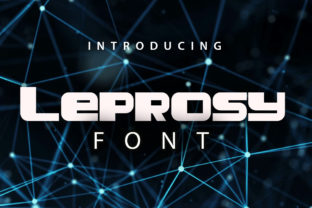
Leprosy is a unique and eye-catching font family that offers a range of styles to suit different design needs. With six distinct variations—regular, italic, 3D, 3D italic, 3D filled, and 3D filled italic—it provides designers with flexibility in creating visually striking text for print, digital, or promotional materials. While the name may seem unusual, Leprosy is not related to the medical condition of the same name. Instead, it refers to a modern, stylized typeface designed to make an impact.
What Is Leprosy?
Leprosy is a font family characterized by its bold, dynamic, and often dramatic appearance. It is particularly well-suited for projects that require attention-grabbing typography, such as logos, headlines, and branding elements. The 3D and filled styles add depth and dimension, making the text stand out in both digital and physical formats. This font is ideal for creative professionals looking to add a unique visual element to their work.
Why Consider Leprosy?
Designers might choose Leprosy for several reasons. Its bold and distinctive look can help a design stand out in a crowded market. The availability of multiple styles allows for greater customization and adaptability across different media. For instance, the 3D versions are excellent for creating eye-catching banners or t-shirt designs, while the regular and italic styles may be more suitable for headings or subheadings where a cleaner appearance is needed.
The font’s versatility makes it appealing to a wide range of users, from graphic designers to marketers and content creators. Its ability to convey energy and movement can enhance the visual storytelling of a project. Additionally, Leprosy’s unique aesthetic may resonate with audiences looking for something different from standard typefaces.
Benefits of Using Leprosy
One of the main benefits of Leprosy is its ability to add visual interest without overwhelming the viewer. The 3D and filled styles provide a sense of depth that can elevate the overall design. This makes it a strong choice for projects where the text needs to be both readable and engaging. The font also works well in high-contrast environments, ensuring legibility even when used in complex layouts.
Another advantage is its adaptability across different platforms. Whether used in print, web, or social media, Leprosy maintains its visual appeal. This makes it a practical option for designers who need a consistent look across multiple mediums. Furthermore, the variety of styles allows for creative experimentation, helping users find the perfect fit for their specific needs.
Tradeoffs and Considerations
While Leprosy offers many advantages, it is important to consider its limitations. The 3D and filled styles, while visually striking, may not be suitable for all design contexts. In some cases, they could appear too flashy or difficult to read, especially at smaller sizes. Designers should test the font in different scenarios to ensure it meets the readability requirements of their project.
Additionally, the font’s bold nature may not align with every brand’s identity. Some organizations prefer more subtle or traditional typefaces to maintain a professional image. In such cases, alternatives like serif or sans-serif fonts may be more appropriate. It is also worth noting that Leprosy may not be the best choice for long blocks of text due to its stylized appearance, which can reduce readability over extended reading periods.
Situations Where Leprosy Excels
Leprosy is particularly effective in situations where the text needs to command attention. For example, it can be used in advertising campaigns, event posters, or product packaging to create a strong visual presence. Its 3D styles are ideal for t-shirt designs, where the font can add a tactile or dimensional effect that enhances the overall look.
In digital environments, Leprosy can be used for website headers, social media graphics, or app interfaces to create a memorable and engaging user experience. It is also a good fit for creative projects such as album covers, book titles, or art installations, where the font’s unique style can contribute to the overall theme.
When Alternatives May Be Better
There are scenarios where other fonts may be more suitable than Leprosy. For instance, if the goal is to maintain a clean and professional look, a more conventional typeface might be preferable. Fonts like Helvetica, Arial, or Georgia are often chosen for their simplicity and readability, making them better options for body text or formal documents.
For projects requiring a more traditional or elegant feel, serif fonts such as Times New Roman or Garamond could be more appropriate. Similarly, minimalist sans-serif fonts like Roboto or Open Sans are popular choices for modern, clean designs. Designers should evaluate their specific needs and the intended audience before deciding on a font.
Decision-Making Insights
When considering whether to use Leprosy, it is essential to align the font’s characteristics with the project’s goals. If the primary objective is to create a bold, attention-grabbing design, Leprosy can be an excellent choice. However, if the focus is on clarity, subtlety, or versatility, other fonts may offer better results.
Designers should also consider the target audience. A younger, more creative demographic may respond positively to Leprosy’s dynamic style, while a more conservative or professional audience may prefer a more restrained approach. Testing the font in real-world applications can help determine its effectiveness and suitability.
Ultimately, the decision to use Leprosy should be based on a balance between aesthetics, functionality, and context. By carefully evaluating these factors, designers can make informed choices that enhance the overall impact of their work.