Discover the Timeless Elegance of Bruce 1490
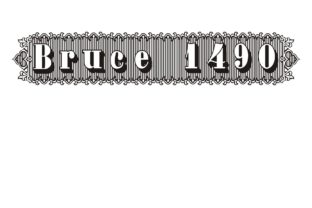
If you're looking for a font that blends historical charm with modern versatility, Bruce 1490 might just be the perfect fit. This typeface draws its inspiration from the 1882 George Bruce catalog, a rare piece in Intellecta’s collection of vintage books and typographic treasures. The ornamental ribbons and intricate details of this font make it more than just a style—it's a statement.
Whether you're designing a logo, creating a book cover, or crafting a digital layout, Bruce 1490 offers a unique aesthetic that stands out. Its roots in the 1490 font style mean it carries a sense of tradition while still being adaptable to contemporary design needs. With the GrasVibertTwo typeface used to compound the work, the result is a blend of old-world craftsmanship and modern typography.
Real-World Applications of Bruce 1490
Imagine you're a small business owner looking to create a brand identity that feels authentic and refined. Bruce 1490 could be the key to making your logo feel like it belongs in a historic shop window rather than a modern storefront. Its elegant curves and detailed flourishes add a touch of sophistication that can elevate your brand's image.
For educators or content creators, using Bruce 1490 in educational materials or blog headers can help capture attention and convey a sense of depth. It's not just about looking good—it's about creating a visual experience that resonates with your audience. A history teacher, for example, might use it in a presentation on 19th-century typography to give students a tangible connection to the past.
Freelancers and designers often seek fonts that offer both uniqueness and usability. Bruce 1490 provides that balance. It works well in print designs, such as wedding invitations or custom stationery, where a personal touch matters. At the same time, it can be adapted for digital use, whether in web banners or social media graphics, offering a consistent visual language across platforms.
Who Benefits from Using Bruce 1490?
Entrepreneurs launching a boutique or artisanal brand may find Bruce 1490 particularly appealing. It can help differentiate their products in a crowded market by adding a sense of heritage and quality. A handmade soap company, for instance, might use the font in packaging to suggest a craft that's been perfected over time.
Marketers aiming to create campaigns with a nostalgic or luxury feel could also benefit. A campaign for a premium coffee brand might use Bruce 1490 in its tagline to evoke the imagery of old-world cafés and artisanal brewing. The font’s visual weight and structure make it ideal for conveying authority and trustworthiness.
Bloggers and writers who want to stand out in a digital space might consider using Bruce 1490 in headings or section dividers. It adds a level of visual interest that can make content more engaging without overwhelming readers. A lifestyle blog focused on vintage aesthetics could use it to reinforce its theme and attract a specific audience.
Considerations Before Using Bruce 1490
Before jumping into using Bruce 1490, it's important to consider how it will fit into your overall design strategy. While its ornate details are visually striking, they may not be suitable for every project. For instance, a minimalist website might struggle to integrate the font without it feeling out of place.
Another factor to keep in mind is readability. While Bruce 1490 is beautiful, it's best suited for display purposes rather than body text. Using it in long paragraphs could reduce legibility and make your content harder to read. Always test it in different sizes and contexts to ensure it works as intended.
Finally, consider the availability and licensing of the font. Since it's based on historical research from Intellecta’s collection, there may be specific terms of use or restrictions. Make sure you understand these before incorporating it into commercial projects or public-facing designs.
How Bruce 1490 Stands Out in Different Settings
In creative spaces, Bruce 1490 can serve as a signature element that defines a brand’s personality. A graphic designer might use it in a portfolio to showcase their appreciation for classic typography, setting them apart from peers who rely on more common typefaces.
For digital marketers, the font can be a powerful tool in storytelling. A campaign promoting a vintage-themed product could use Bruce 1490 in headlines to create an emotional connection with the audience. The font’s historical roots help build a narrative that feels authentic and compelling.
Even in everyday use, Bruce 1490 can add a layer of personality. A hobbyist creating handmade greeting cards might use it to give their designs a unique flair that reflects their artistic vision. It’s a way to infuse creativity into something simple and personal.
Conclusion: Embrace the Legacy of Bruce 1490
Bruce 1490 isn’t just a font—it's a bridge between the past and the present. Its rich history and distinctive design make it a valuable asset for anyone looking to add character and depth to their work. Whether you're a designer, marketer, educator, or entrepreneur, this typeface offers a way to express yourself with elegance and authenticity.
By understanding its strengths and limitations, you can make informed decisions about when and how to use it. In the right context, Bruce 1490 can transform your projects, giving them a timeless appeal that resonates with your audience. So why not explore what this remarkable font has to offer?